
ChatGPT’s mobile app recorded a 295 percent spike in daily uninstalls after its developer, OpenAI, confirmed a partnership with the U.S. Department of Defense, according to app analytics data and industry estimates.
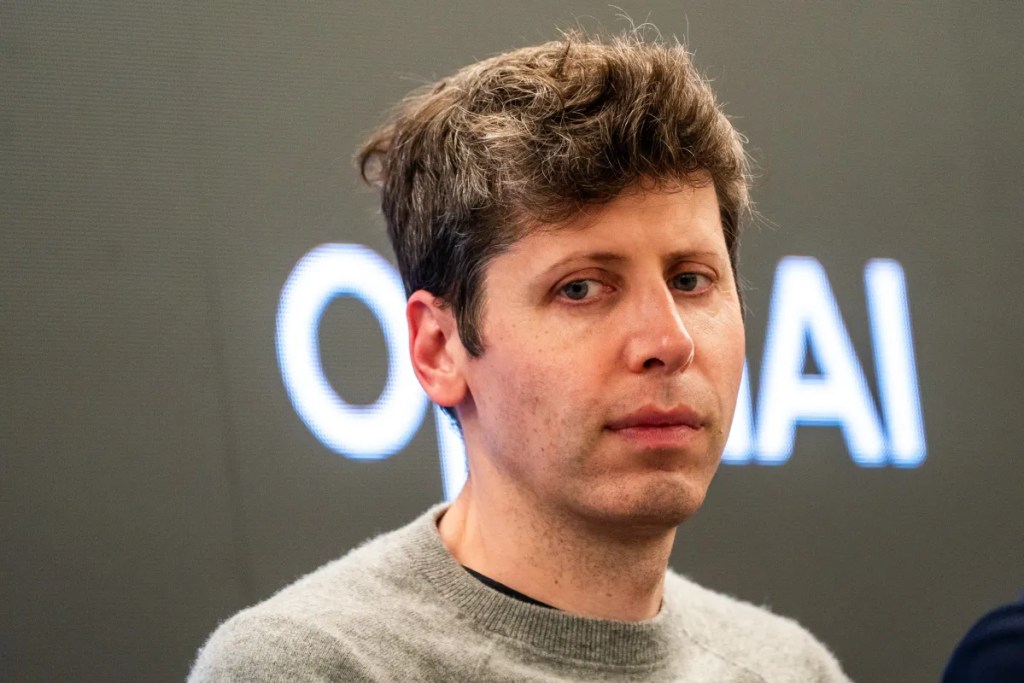
The surge marks one of the sharpest short-term reversals in user sentiment for a leading artificial intelligence platform, underscoring the growing sensitivity around the use of commercial AI systems in military and government operations.
User Backlash Emerges Quickly
Data from mobile tracking firms indicate that uninstall activity nearly tripled within 48 hours of the announcement. While consumer apps regularly experience churn, analysts said the magnitude and timing of the spike point to a direct reaction to the defense agreement.
On social media platforms including Reddit and X, users shared screenshots showing deleted accounts and canceled subscriptions. Some posts criticized the company’s decision to supply advanced AI tools to defense agencies, raising concerns about potential military and surveillance applications.
OpenAI said the partnership involves providing AI capabilities for secure government use cases and emphasized that safeguards remain in place. The company did not disclose financial details of the arrangement.
Competitors See Uptick in Downloads
The fallout coincided with a rise in downloads for rival AI assistant Claude, developed by Anthropic. Industry trackers reported a double-digit percentage increase in new installations for Claude in the days following the news.

Claude climbed the rankings in the U.S. App Store’s productivity category, narrowing the gap with ChatGPT. Analysts cautioned that short-term download surges do not always translate into sustained market share shifts, but said the episode highlights intensifying competition in consumer AI.
Anthropic has previously positioned itself as a safety-focused AI developer and has taken a more cautious public stance on certain military applications of advanced AI systems.
Strategic Win, Reputational Risk
For OpenAI, the agreement represents a significant expansion into government contracting, a sector that offers long-term revenue stability and strategic influence. Defense and public-sector partnerships have become an increasingly important frontier for major technology companies seeking to diversify beyond consumer subscriptions.
However, the reaction illustrates the reputational risks tied to such deals. AI tools are no longer viewed solely as productivity software; they are increasingly seen as infrastructure with geopolitical implications.
Chief Executive Officer Sam Altman has defended collaboration with public institutions, arguing that responsible engagement is preferable to leaving advanced technologies outside formal oversight structures. In previous statements, he has said that democratic governments should have access to frontier AI systems under strict governance frameworks.
A Broader Industry Test
The episode may serve as a test case for how AI companies balance commercial growth with user expectations. As artificial intelligence becomes embedded in public services, defense systems and critical infrastructure, consumer perception is likely to play a greater role in corporate strategy.
Analysts say the coming weeks will determine whether uninstall activity stabilizes or signals a longer-term shift in user loyalty. For now, the spike underscores a new reality in the AI era: strategic government partnerships can generate opportunity, but they can also provoke swift and measurable consumer backlash.
Read Next: Sarvam Launches Indus AI Chat App in India as AI Competition Intensifies




Leave a Reply